Hacker Newsnew | past | comments | ask | show | jobs | submitlogin

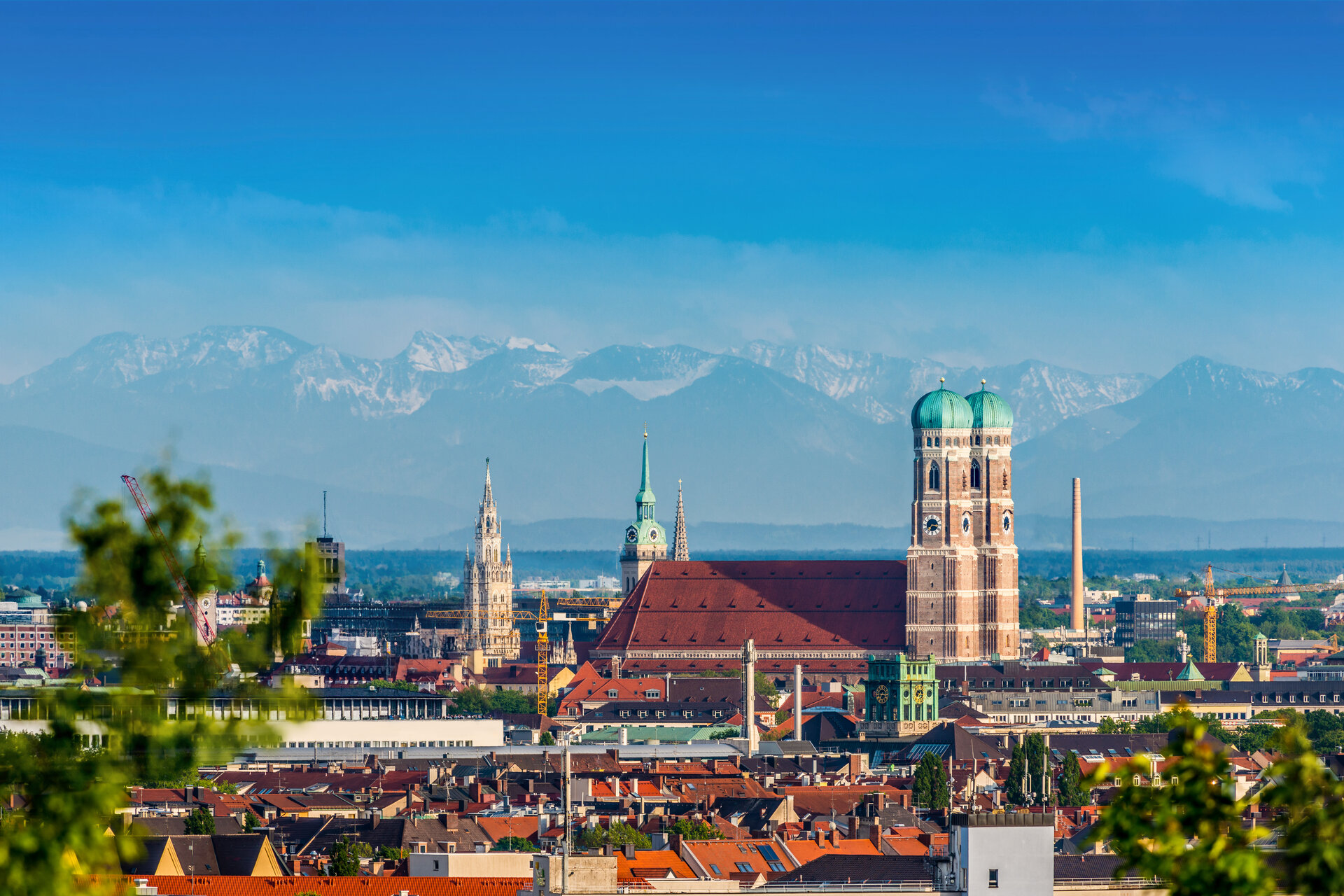
> This also applies for much shorter distances: despite what the publicity photos suggest, you can't see the Alps from Munich most of the time (or only as slightly darker shapes on the horizon)

You won't usually see them from the ground of course but from a couple floors up with a clear line of sight you do see them quite often.


In the northwest of Munich we can see the alps quite often (around 100km from there), and sometimes they appear quite huge. It's due to the Föhn that makes the atmosphere act as a magnifying lens. Interestingly the explanation is not in the English Wikipedia

https://de.wikipedia.org/wiki/F%C3%B6hn#Optischer_Vergr%C3%B...

Sure, you can see the mountains only as "slightly darker shapes" as the parent put it but you could identify individual summits I think.


I think that "magnification effect" is what tombh (one of the authors) means when he mentions "refraction" in his comment above?

Here's the English Wikipedia article (although it doesn't mention the Föhn specifically): https://en.wikipedia.org/wiki/Atmospheric_refraction

Of course, there is another "magnification effect" which photographers like to use: perspective distortion (https://en.wikipedia.org/wiki/Perspective_distortion#Example...). The reason why the mountains seem to be right behind the Frauenkirche in those publicity photos I mentioned (e.g. https://www.technik-testen.net/wp-content/uploads/2023/01/Ad...) might have a little bit to do with the Föhn, but most of it is because the photo is taken from far away and zoomed in.


Guidelines | FAQ | Lists | API | Security | Legal | Apply to YC | Contact

Search: